Laparoscopic Surgery
- Home
- Laparoscopic Surgery
Laparoscopic surgery is recognized as one of the most advanced techniques in modern medicine, allowing surgeons to perform complex procedures through tiny incisions using a specialized camera and precision instruments. This approach is often referred to as “keyhole surgery.”
What makes this technique remarkable is the rapid healing of the small incision sites, minimal postoperative pain, and virtually invisible scars—all of which distinguish it from traditional open surgery.
What Is Laparoscopic Surgery?
Laparoscopic surgery is a minimally invasive surgical procedure that relies on the use of a thin telescopic tube equipped with a light and camera, known as a laparoscope. This advanced instrument allows the surgeon to clearly view the patient’s internal organs without the need for large incisions or deep, extensive cuts that require long recovery times.
The real-time images displayed on a high-definition monitor enable the surgeon to perform highly precise and controlled movements throughout the operation.
Laparoscopic surgery has become widely used in the field of women’s health, particularly for procedures involving the uterus, ovaries, and abdominal area, both for diagnostic and therapeutic purposes.
In many cases, surgeons make three small incisions to insert surgical instruments, allowing them to collect tissue samples (biopsies) for accurate medical examination and diagnosis.
When Should Laparoscopic Surgery Be Used?
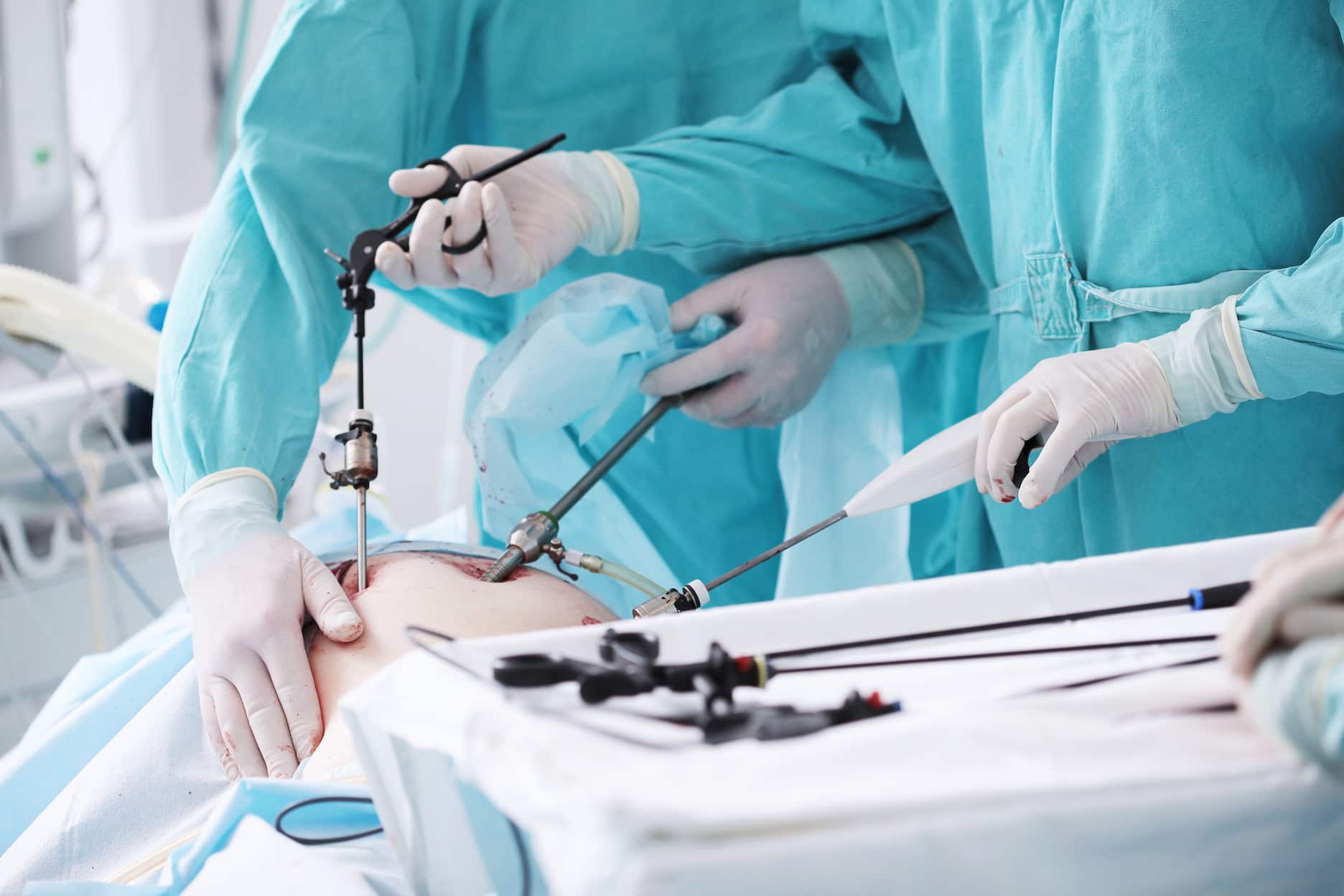
Laparoscopic surgery is employed for a wide range of diagnostic and therapeutic purposes, offering a precise and less invasive alternative to traditional open surgery.
It is commonly recommended in the following cases:
- Removal of ovarian cysts
- Excision of fibroids and polyps
- Collection of tissue biopsies and removal of small tumors
- Tubal ligation or reversal of tubal ligation
- Treatment of ectopic (tubal) pregnancy
- Laparoscopic management of endometriosis and reconstructive procedures for the urinary tract or vaginal canal
- Orchiopexy and rectopexy (correction of testicular or rectal prolapse)
- Hernia repair and anti-reflux (GERD) surgery
- Gastric bypass, gallbladder removal, and treatment of gallstone
- Appendectomy (removal of the appendix)
This advanced technique provides greater surgical precision, faster recovery, and minimal postoperative discomfort, making it the preferred option for many gynecologic and abdominal conditions.
When Is Laparoscopic Surgery Recommended for Women?
Gynecologists often recommend laparoscopic surgery as both a diagnostic and therapeutic approach for various women’s health conditions, including:
- Ovarian cysts
- Uterine fibroids (Myomas) – diagnosis and treatment
- Endometriosis – evaluation and removal of affected tissue
- Blocked fallopian tubes – detection and management
- Ectopic pregnancy – safe removal of the implanted embryo
- Hysterectomy – minimally invasive removal of the uterus
In these cases, laparoscopic surgery offers faster recovery, less postoperative pain, and helps patients avoid the long healing periods often associated with traditional open surgeries. It allows women to return to their normal lives with minimal downtime and fewer surgical scars.
Is Laparoscopic Surgery Considered Invasive?
Laparoscopic surgery is not classified as a major invasive procedure compared to traditional open surgery. It involves only small incisions and minimal tissue disruption, which significantly reduces recovery time and postoperative discomfort.
What Is the Difference Between Laparoscopy and Laparoscopic Surgery?
There is no major difference between laparoscopy and laparoscopic surgery — both terms generally refer to the same minimally invasive surgical technique.
The main distinction lies in their purpose:
- Laparoscopy usually refers to a diagnostic procedure, used to examine and identify internal conditions.
- Laparoscopic surgery, on the other hand, involves both diagnosis and treatment, meaning the surgeon can perform corrective or therapeutic actions during the same procedure.
- In simple terms, laparoscopy can be considered a part of the broader laparoscopic surgical process, often serving as its diagnostic phase before proceeding to treatment if needed.
Before the procedure, your doctor will explain the expected recovery period, postoperative care instructions, and the steps involved in the laparoscopic process, ensuring you are fully prepared and confident before undergoing the surgery.
| Comparison | Laparoscopy | Laparoscopic Surgery |
|---|---|---|
| The Goal | Diagnosis + Examination | Diagnosis + Treatment + Surgery |
| Tools Used | Telescopic Endoscope Camera | Telescopic Endoscope Camera + Surgical Instruments |
| Usage | When diagnostic tests fail | If diagnostic tests fail, direct treatment of the problem |
How to Prepare for Laparoscopic Surgery
Before the Procedure
Dr Talal Nukarii recommends following these essential preparation steps before undergoing laparoscopic surgery:
- Fasting for 5 to 8 hours prior to the procedure.
- Informing your doctor about your full medical history and any current medications.
- Stopping smoking several days before surgery to improve healing and reduce anesthesia risks.
- Wearing loose, comfortable clothing on the day of surgery.
- Removing all jewelry, except for a wedding ring if permitted.
- Removing nail polish, as it helps the medical team monitor your nail color and oxygen levels during surgery.
- Arranging for an adult companion to accompany you and drive you home after the procedure.
After the Procedure
- The patient will remain under medical observation until fully awake and stable.
- Once cleared by the medical team and no complications are detected, the patient can go home the same day.
- At home, it’s important to follow all post-surgery instructions, including taking prescribed medications, keeping incisions clean and dry, and continuing to wear loose-fitting clothing for comfort during recovery.
How Is Laparoscopic Surgery Performed?
Laparoscopic surgery is carried out through a series of precise and minimally invasive steps, ensuring both safety and efficiency:
- General anesthesia is administered to ensure the patient is fully asleep and comfortable throughout the procedure
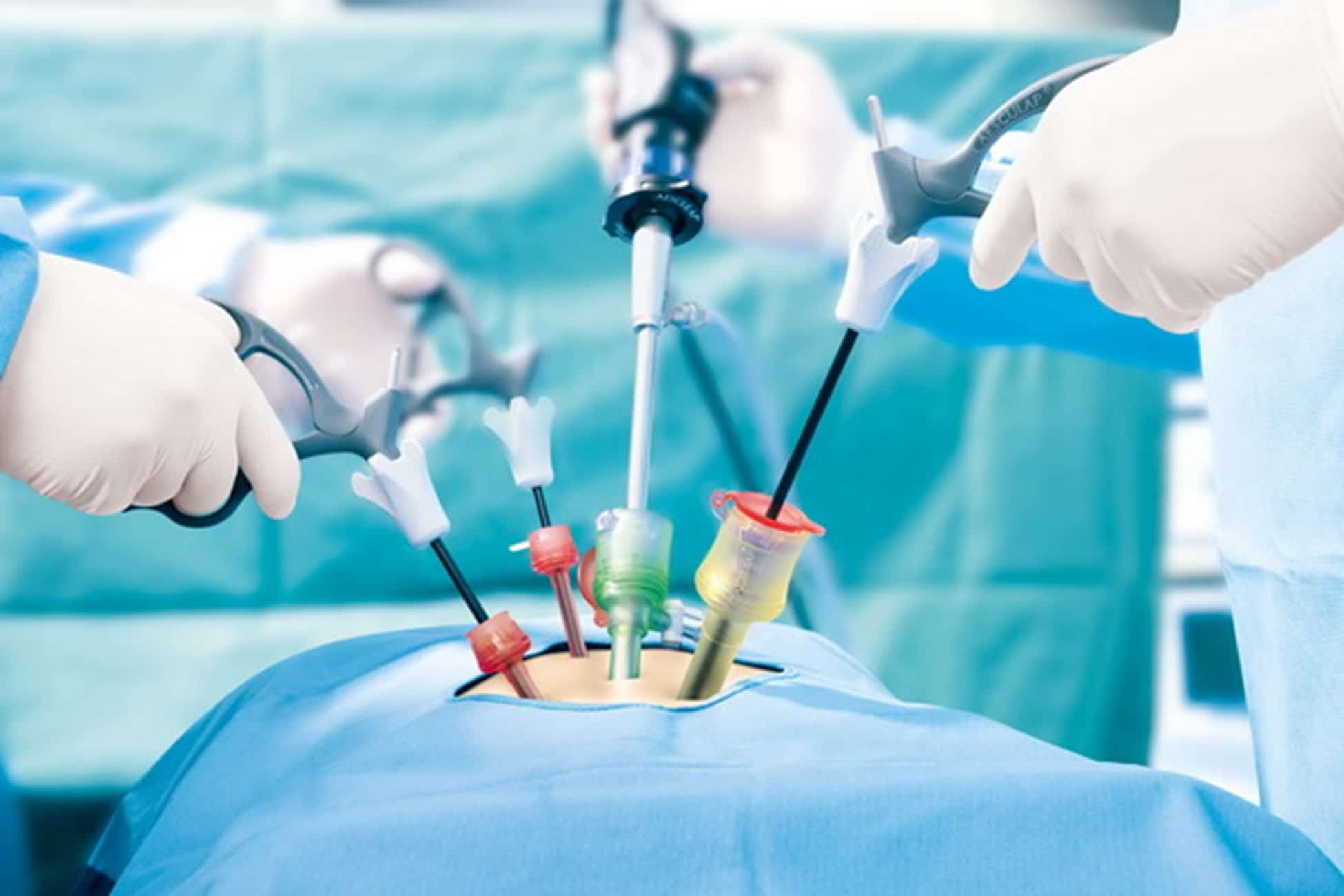
- The surgeon makes small incisions (0.5–1 cm), usually near the navel.
- Carbon dioxide gas is gently introduced into the abdomen to inflate it slightly, creating space and allowing clear visualization of internal organs on the monitor.
- A laparoscope — a thin tube equipped with a camera and light — is inserted to project real-time images of the abdominal cavity onto the screen.
- The surgeon then performs the necessary surgical procedure with high precision using specialized instruments.
- Once completed, the instruments are removed, the gas is released, and the small incisions are closed with a few fine stitches.
- This approach ensures minimal scarring, reduced pain, and a faster recovery compared to traditional open surgery.
How Long Does Laparoscopic Surgery Take?
The duration of laparoscopic surgery typically ranges from 30 to 90 minutes, depending on the complexity of the patient’s condition and the specific procedure being performed.
Benefits of Laparoscopic Surgery
Laparoscopic surgery offers numerous advantages compared to traditional open surgery, including:
- Tiny incisions that result in virtually invisible scars
- Short hospital stay due to the minimally invasive nature of the procedure
- Rapid recovery, allowing most patients to return to their normal activities within a week.
- Reduced risk of infection and bleeding at the surgical site.
- Less postoperative pain, enhancing overall comfort during recovery.
Risks of Laparoscopic Surgery
Although laparoscopic surgery is generally safe and minimally invasive, it carries some potential risks, including:
- Minor bleeding or infection at the incision sites.
- Allergic reactions to anesthesia in rare cases.
- Accidental injury to nearby internal organs, which is uncommon.
- Formation of blood clots (deep vein thrombosis).
- Temporary shoulder pain caused by the carbon dioxide gas used to inflate the abdomen during the procedure.
- These risks are relatively low and are carefully managed by the surgical team to ensure patient safety.
Recovery After Laparoscopic Surgery
The recovery phase following laparoscopic surgery is typically quick and smooth, allowing most patients to return to daily activities with minimal disruption. Key aspects include:
- Full recovery usually occurs within 1 to 2 weeks.
- Normal postoperative symptoms may include mild abdominal discomfort or soreness, which is considered typical.
- Precautionary measures during recovery include avoiding strenuous activities for approximately 14 days.
- Follow-up appointments with the surgeon are essential to monitor healing and address any concerns.
- Immediate contact with Dr. Talal is advised if there are signs of heavy bleeding, high fever, or persistent pain
- Following these guidelines helps ensure a safe, fast, and effective recovery after laparoscopic surgery.
Comparison Table: Laparoscopic Surgery vs. Open Surgery
| Aspect | Laparoscopic Surgery | Open Surgery |
|---|---|---|
| Incision Size | 0.5 – 1 cm | 5 – 10 cm |
| Hospital Stay | Usually 1 day | 3 – 5 days |
| Recovery Time | 1 – 2 weeks | 4 – 6 weeks |
| Pain Levels | Mild | Moderate to severe |
| Scarring | Nearly invisible | Noticeable scars |
Laparoscopic Surgery Costs at Dr. Talal Al-Nukari’s Clinic
The cost of laparoscopic surgery at Dr. Talal Al-Naqari’s clinic in Abu Dhabi, UAE ranges from AED 8,000 to AED 25,000, depending on:
- The type of procedure (diagnostic vs. therapeutic).
- The complexity of the case.
- The patient’s insurance coverage.
- Dr. Talal’s clinic is equipped with state-of-the-art facilities to perform both diagnostic and therapeutic laparoscopic procedures, ensuring high-quality care and optimal patient outcomes.
When Should You Contact Dr. Talal After Laparoscopic Surgery?
You should contact Dr. Talal immediately if you notice any of the following after your laparoscopic procedure:
- Persistent or worsening abdominal pain.
- Redness, swelling, or unusual discharge around the incision site.
- Fever above 38°C (100.4°F).
- Heavy vaginal bleeding
Conclusion
Laparoscopic surgery has redefined modern medical treatment by offering less invasive, highly effective solutions compared to traditional open surgery. Dr. Talal Al-Naqari is dedicated to providing laparoscopic procedures at the highest standards, utilizing state-of-the-art technology to ensure patient comfort and a smooth recovery—from preoperative preparation to the surgical procedure and postoperative care.
We invite you to contact the clinic to schedule a free consultation or meet with Dr. Talal for a safe and speedy recovery through minimally invasive abdominal surgery, helping you return to your normal life quickly and confidently.
Frequently Asked Questions (FAQs)
Laparoscopic surgery is used to diagnose and treat various conditions, including ovarian cysts, uterine fibroids, endometriosis, and ectopic pregnancy, through small, minimally invasive incisions that promote quick recovery.
Recovery typically ranges from 1 to 2 weeks for both men and women, though it may take longer in certain cases depending on the procedure and individual healing.
Patients may experience mild discomfort or shoulder pain due to the gas used to inflate the abdomen during surgery. These symptoms usually subside within a few days after the procedure.
Yes, laparoscopic surgery designed to improve fertility, such as treatment for blocked fallopian tubes or endometriosis, can allow women to conceive successfully after recovery.
Costs vary depending on the procedure, ranging from AED 8,000 to AED 25,000. Most health insurance plans cover a significant portion or the full cost of the surgery.
Most patients can go home the same day following a successful procedure. Recovery at home is fast when patients follow instructions, including pain management, avoiding smoking, eating light meals, resting well, and refraining from strenuous activity.
Laparoscopic surgery is relatively safe, but potential risks include Overdose or reaction to anesthesia, Temporary bloating and minor cramps and Rare complications related to internal organs
It is a minimally invasive surgical procedure performed through small abdominal incisions, avoiding large cuts that require long recovery. Initially used for gynecological conditions, it has become a cornerstone of modern abdominal and thoracic surgeries.
The main difference is the size of the incisions. Laparoscopic surgery uses small cuts through which a camera and specialized instruments are inserted, while traditional surgery requires larger, deeper incisions, leading to longer recovery and more noticeable scars.
Call for a Consultation now with Dr.Talal Al Nukari

Dr. Talal Badi Al Nukari is a highly skilled and experienced Obstetrics and Gynecology Specialist with a passion for providing the best medical care to his patients.
Quick Links
Get in Touch
- +971663500168
- talal@maxhealthcare.ae
- Abu Dhabi
- Mon-Fri: 10am-06pm
Copyright 2025 © All rights Reserved.