Advanced Laparoscopic Gynecologic Surgery
- Home
- Advanced Laparoscopic Gynecologic Surgery
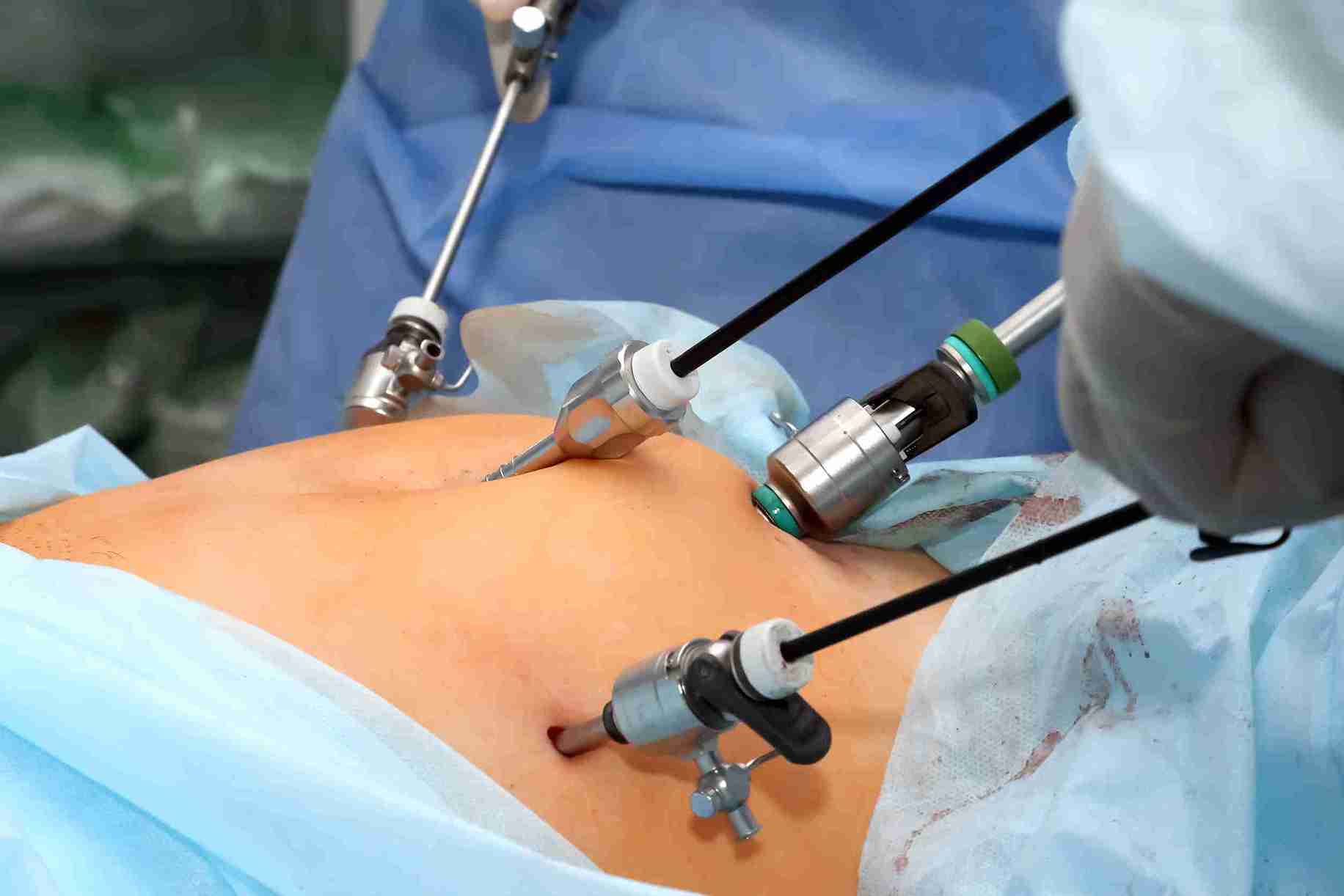
Advanced Laparoscopic gynecologic surgery is a minimally invasive procedure used to diagnose and treat a variety of medical conditions effecting the abdomen and pelvis. Laparoscopy, also known as a keyhole surgery, uses a thin, camera-equipped instrument called a laparoscope.
Unlike traditional open surgery, laparoscopic procedures do not require a large incision. Instead, several small incisions are made in the abdomen. Laparoscopy is a modern, low-risk technique that offers numerus benefits, including faster recovery due to smaller incisions, reduced postoperative pain compared to open surgery, a shorter hospital stay, and minimal scarring.
Overall, advanced laparoscopic surgery is considered a safe, modern, and comprehensive option for the diagnostic and treatment of pelvic conditions.
Nowadays, laparoscopic surgery is regarded as the optimal surgical approach in most gynecologic surgical conditions.
What is Advanced Laparoscopic Gynecologic Surgery?
Advanced laparoscopic surgery is a minimally invasive, modern, and low-risk procedure that uses a laparoscope – a thin, high-resolution, camera equipped surgical instrument – to directly visualize pelvic organs.
Laparoscopy is a technologically advanced surgical technique, that allows surgeons to diagnose and treat various gynecologic conditions by providing real-time visualization of the pelvis. Through small abdominal incisions, specialized instruments are inserted to perform precise surgical interventions without the need for a large open incisions.
Minimally invasive techniques have significantly improved gynecologic surgery, as they can be used for a wide range of conditions and are performed with minimal scarring, less blood loss, and reduced postoperative pain.
When is advanced Laparoscopic Gynecologic Surgery Recommended?
Advanced Laparoscopic Gynecologic Surgery is recommended in these conditions:
| Condition name | State |
|---|---|
| Endometriosis | Tissue like the lining of the uterus grows outside the uterus |
| Uterine fibroids | Noncancerous growth in the uterus |
| Ectopic pregnancy | Pregnancy that happens outside the uterus |
| Pelvic adhesions | Scar tissue that connects organs inside the pelvis |
| Pelvic organ prolapses | Uterus, bladder, or rectum drops from its normal place |
| Pelvic pain | sharp or dull pain below the belly button |
| Dysmenorrhea | Painful periods |
| Menorrhagia | Heavy bleeding periods |
| Ovarian cysts | Fluid-filled sacs on the ovaries |
| Sterilization | Surgery to permanently prevent pregnancy |
| Gynecologic cancers | Cancer found early in the cervix, uterus, or ovaries |
Advanced Laparoscopic Surgery vs. Traditional Open Gynecologic Surgery?
Except in certain complex cases where open surgery may still be necessary, advanced laparoscopic surgery is often considered the preferred option for many gynecologic conditions due to the following differences:
- Traditional open gynecologic surgery requires a larger abdominal incision to access the pelvic organs, resulting in a more noticeable scar compared to advanced laparoscopic surgery.
- Traditional surgery often involves longer hospital stays, extended recovery periods, and increased postoperative discomfort and pain.
- Advanced laparoscopic surgery is performed through small incisions measuring approximately 0.5 -1 cm, without the need for large surgical cuts.
- The advanced laparoscopic approach minimizes tissue disruption, reduces blood loss, shortens recovery time, decreases postoperative pain, and allows a faster return to daily activities.
Before the procedure, your doctor will explain the available surgical options, discuss the expected recovery period, provide postoperative care instructions, and outline the steps involved in the laparoscopic process to ensure you feel fully informed and confident.
| Comparison | Advanced Laparoscopic Surgery | Traditional Open Surgery |
|---|---|---|
| Incision size | 0.5 – 1 cm | 5 – 10 cm |
| Number of incisions | 3 – 5 small incisions | 1 large incision |
| Hospital stay | Usually same day or 1 day | 3 – 5 days |
| Recovery time | 1 – 2 weeks | 4 – 6 weeks |
| Postoperative pain | Mild to moderate | Moderate to severe |
| Scarring | Minimal scarring | More visible |
What makes Advanced Laparoscopic Surgery Different from Standard Laparoscopy?
Although both standard and advanced laparoscopy are minimally invasive procedures, the real difference comes down to the level of surgical expertise and the complexity of procedures performed. Key differences include:
- Standard laparoscopy is generally used for routine diagnostic procedures and simple surgical interventions.
- Advanced laparoscopy uses high-definition imaging to clearly visualize pelvic structures.
- Advanced laparoscopic surgery involves more specialized operative techniques and a higher level of surgical expertise.
- Advanced laparoscopic surgery is designed to manage more complex gynecologic conditions, including severe endometriosis, large fibroids, and extensive pelvic adhesions.
- Advanced laparoscopy enhances precision and surgeon's ability to access delicate reproductive organs and major blood vessels safely.
Your doctor will determine the most appropriate approach based on your condition, and will explain the recommended treatment plan, expected recovery, and postoperative care instructions.
| Comparison | Advanced Laparoscopic Surgery | Standard Laparoscopy |
|---|---|---|
| Surgical complexity | Complex gynecologic cases | Routine or diagnostic cases |
| Level of expertise required | Advanced surgical skills | Basic laparoscopic skill |
| Types of procedures | Complex excisions, reconstructive procedures | Diagnostic procedures, simple removals |
| Dexterity and precision | Higher precision in delicate areas | Limited precision in delicate areas |
| Imaging | High-definition visualization | Standard laparoscopic imaging |
| Patient Profile | Often used for high-risk or complex cases | Typically used for low-risk or straightforward cases |
How to prepare for Advanced Laparoscopic Surgery?
Before the procedure
Dr. Talal Al Nukari recommends following these essential preparation steps before undergoing advanced laparoscopic surgery:
- Undergo blood tests, imaging studies, or other diagnostic evaluations as recommended based on your specific conditions
- Inform the surgeon about any medications, supplements, or herbal products you are currently taking.
- Do not eat or drink anything 5 to 8 hours before the procedure for your safety.
- If you smoke, it is strongly recommended to stop smoking several weeks before surgery for a faster recovery.
- Wearing loose, comfortable clothing on the day of the surgery
- Try to arrange transportation home after the procedure.
- Remove all jewelry, except for a wedding ring if permitted.
- Remove nail polish, as it helps to monitor your nail color and oxygen levels during surgery.
- Prepare a comfortable recovery space in advance, as most patients return home the same day or within 24 hours.
These preparations will help you ensure a smoother procedure and a faster recovery.
After the Procedure
- The patient will be under medical observation until fully awake and stable.
- Dr. Talal advises patients to focus on gradual recovery rather than rushing back to their routine activities.
- Walking around for repeated short periods with light movements to support healing.
- Avoid heavy lifting or intense physical effort until it is confirmed safe.
- Keeping incisions clean and dry after surgery to prevent infections.
- Taking pain medication as prescribed, if needed.
- maintaining a balanced diet and increasing fiber intake to help prevent constipation and support recovery.
How is the Advanced Laparoscopic Surgery performed?
Advanced laparoscopic gynecologic surgery is performed under general anesthesia using a minimally invasive technique. It is generally carried out through the following steps:
- Depending on the type of procedure, two or more small abdominal incisions are carefully made, each on is measuring approximately 0.5 -1.0 cm.
- A controlled amount of carbon dioxide is introduced into the abdomen cavity to create space and improve visibility.
- The laparoscope is gently inserted through one of the incisions, providing a high resolution, magnified view of the pelvic organs on a monitor.
- Additional small incisions may be made to insert specialized surgical instruments required to perform the procedure if it was operative procedure.
- After the procedure is completed, the carbon dioxide is released, and the instruments are carefully withdrawn.
- The small incisions are closed with sutures or skin glue.
Diagnostic and operative hysteroscopy can be performed during the same procedure, which may make the total surgical time longer compared to performing each procedure separately.
Both types involve the insertion of a camera-equipped hysteroscope through the cervix to visualize the uterine cavity.
How Long Does Advanced Laparoscopic Surgery Take?
Usually, the advanced laparoscopic surgery takes about 2 – 3 hours, depending on the complexity and the reason for the procedure.
Simple procedures can take around 1 hour, like removing small ovarian cysts. On the other hand, complex surgeries may take longer than 3 hours.
Is Advanced Laparoscopic Surgery Safe?
Yes, Advanced laparoscopic gynecologic surgery is considered a highly safe and effective procedure, especially when performed by experienced gynecologic surgeons like Dr. Talal Al Nukari.
Advanced laparoscopic surgery is widely used in gynecologic procedures. Many patients naturally worry about the safety, but it is commonly performed in modern hospitals by experts and is considered a low-risk, minimally invasive procedure.
Risks of Advanced Laparoscopic Surgery
Although advanced laparoscopic surgery is a minimally invasive, low-risk procedure, it may carry some potential risks and complications, including:
- Gas embolism: a rare but serious risk, occurs when gas used to inflate the abdomen enters a blood vessel.
- Hernia formation: at the incision site.
- Organ injury: unintended injury to surrounding organs during the procedure.
- Blood clots: deep vein thrombosis.
- Bleeding: during or after the surgery.
- Infection: as well any invasive procedure, there is a small risk of infection.
- Abdominal infection or inflammation.
- Adverse reactions to anesthesia: some patients may be sensitive to anesthetic medications.
Every surgical procedure carries some degree of risk. However, choosing an experienced surgeon and carefully following medical recommendations before and after surgery can significantly reduce the likelihood of complications.
Advantages of Advanced Laparoscopic Surgery
Unlike traditional open surgeries, advanced women’s laparoscopic surgery offers:
- Advanced handheld instruments with seven degrees of freedom, allowing greater precision compared to standard Laparoscopy.
- Minimal scarring.
- Less postoperative pain thanks to advanced techniques.
- Minimal visible scarring.
- Faster recovery, helping patients return to daily activities sooner.
- Shorter surgery time when performed by experts.
- Low risks of adhesions and complications compared to open surgery.
Early consultations: Get Faster and Safer Recovery
Early consultation for laparoscopic gynecologic surgery is vital because:
- Conditions such as endometriosis, ovarian cysts, and uterine fibroids can worsen if left untreated.
- Late diagnoses can lead to complex procedures and longer recovery.
- Untreated fibroids may progress over time and could require more extensive surgery.
- Medication management to stop blood thinners before surgery.
Recovery After Laparoscopic Surgery
The recovery process usually goes through the following phases:
- First 6-8 hours: you will remain under full medical supervision until the effects of anesthesia completely wear off and your condition is stable.
- Next few days: you may experience mild to moderate pain or discomfort. A low-grade fever, slight nausea, or bloating can occur, and this is generally normal during the early recovery period.
- After 1 week: you can return to light daily activities. However, heavy lifting and strenuous physical activity should be avoided.
- After 4 – 6 weeks: full recovery is typically achieved.
Advanced laparoscopic surgery costs at Dr. Talal Al-Nukari's Clinic
The cost of advanced laparoscopic surgery at Dr. Talal Al-Nukari’s clinic in Abu Dhabi, UAE ranges from …. AED to …. AED depending on:
- The type of procedure performed (diagnostic or therapeutic).
- The complexity of the case.
- The patient's insurance coverage.
- Dr. Talal's clinic is fully equipped with state-of-the-art facilities to perform both diagnostic and therapeutic laparoscopic procedures, ensuring high-quality care and optimal patient outcomes.
When should you contact Dr. Talal After Advanced Laparoscopic Surgery?
You should contact Dr. Talal immediately if you are having any of the following after your procedure:
- Redness, pus, or warmth at incision sites.
- Persistent or worsening abdominal pain not relieved by medication.
- Inability to pass gas.
- Shortness of breath or chest pain, may be related to blood clots.
- Nausea or vomiting that does not improve.
- High fever above 100.40 F.
- Heavy or unusual vaginal bleeding.
- Any sudden changes in urinary or bowel habits.
Conclusion
Advanced laparoscopic gynecologic surgery requires the highest standard of medical precision, expertise, and trust – values that Dr. Talal Al-Nukari is committed to providing through years of experience. By utilizing state-of-the-art technology to ensure patient comfort and safety, you can rest assured that you will receive comprehensive medical care, from preoperative preparation to the surgical procedure and postoperative follow-up.
Regain comfort, confidence, and control over your health. Contact the clinic to schedule a free consultation and meet with Dr. Talal for safe, minimally invasive surgical care designed to support a smooth and timely recovery
Frequently Asked Questions (FAQs)
Advanced laparoscopic gynecologic surgery, also known as keyhole surgery, is a minimally invasive procedure used to diagnose and treat a wide range of pelvic conditions such as endometriosis, uterine fibroids, ovarian cysts, and infertility-related disorders.
The most complex laparoscopic surgeries are laparoscopic liver resection, laparoscopic pancreatectomy, and laparoscopic colorectal surgery.
Most patients experience mild to moderate pain and discomfort for a few days after the procedure. Advanced laparoscopic surgery generally causes significantly less pain than traditional open surgery.
The average cost in Dubai ranges between 15,000 AED to 40,000 AED. However, the total cost varies depending on factors specific to each patient, such as the type of procedure and hospital services.
Laparoscopic gynecologic surgeries are primarily categorized into two basic forms, diagnostic and operative, covering dozens of procedures.
Most common laparoscopic gynecologic surgeries include hysterectomy, myomectomy, endometriosis surgery, and infertility-related procedures.
In most cases, the patients return home on the same day or the day after surgery. Recovery time varies depending on the type of procedure, the patient's condition, and overall helath. Full recovery is typically achieved within 4-6 weeks.
Yes, laparoscopic surgery is considered a low-risk and safe procedure compared to traditional open surgery.
Advanced laparoscopic surgery is a highly specialized, minimally invasive technique used to treat complex conditions in the abdomen and pelvis.
It uses highly specialized instruments and techniques, performed by surgeons with advanced expertise, compared to standard laparoscopy.
Laparoscopic gynecologic surgery is a minimally invasive procedure that uses a thin, camera-equipped tube called laparoscope inserted through small incisions to diagnose and treat a wide range of pelvic conditions.
The most common gynecologic surgery worldwide is hysterectomy, which is the surgical removal of the uterus.
Call for a Consultation now with Dr.Talal Al Nukari

Dr. Talal Badi Al Nukari is a highly skilled and experienced Obstetrics and Gynecology Specialist with a passion for providing the best medical care to his patients.
Quick Links
Get in Touch
- +971663500168
- talal@maxhealthcare.ae
- Abu Dhabi
- Mon-Fri: 10am-06pm
Copyright 2025 © All rights Reserved.